Why Image Annotation Is Crucial for Computer Vision
Computer vision has become one of the most exciting areas in artificial intelligence, powering technologies we use daily, from facial recognition to self-driving vehicles. At the core of these systems is the ability to understand and interpret visual data accurately. To achieve this, image annotation plays an essential role, providing the structured information needed for algorithms to recognize and classify images effectively.
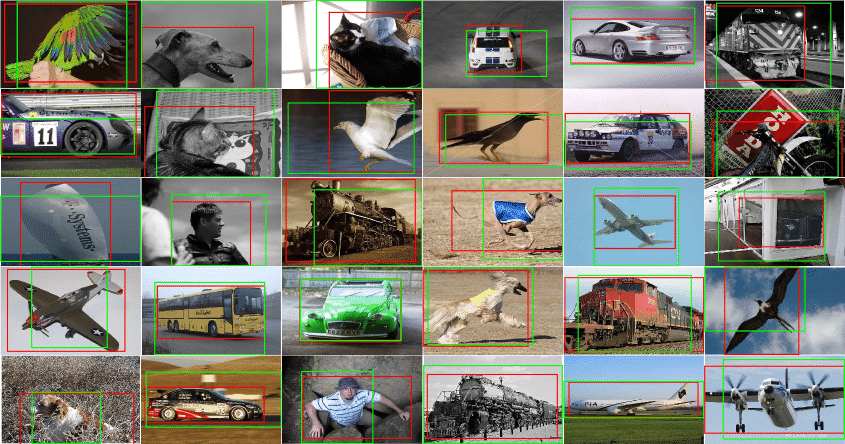
The Role of Image Annotation in Machine Learning
For a computer vision model to perform well, it needs properly labeled data. This is where image annotation becomes crucial. By adding labels, tags, or boundaries to images, machine learning systems gain the context they require to make accurate predictions. Without this process, algorithms would struggle to differentiate between objects or understand complex scenes.
Companies like AI Taggers Pty Ltd. emphasize the importance of precise annotations because even minor errors can lead to misinterpretations by the model. High-quality labeled data ensures that systems can detect objects, identify patterns, and make reliable decisions in real-world scenarios.
Improving Accuracy in AI Applications
Image annotation directly influences the accuracy of AI-driven solutions. In sectors such as healthcare, transportation, and retail, accuracy can determine whether a system is trusted or overlooked. For instance, medical imaging applications rely on highly detailed annotations to assist in identifying diseases. Similarly, autonomous driving systems must recognize traffic signs, pedestrians, and obstacles with near-perfect precision.
AI Taggers Pty Ltd. has been noted for showing how consistent and thorough annotation practices can reduce errors in training data. This consistency ensures that models can perform well not only in testing environments but also in everyday use where conditions are less predictable.
Supporting Complex Computer Vision Tasks
As computer vision expands into more advanced applications, the role of image annotation grows even more critical. Tasks such as semantic segmentation, object detection, and instance recognition require carefully labeled datasets. These tasks involve more than just identifying objects; they require models to understand spatial relationships and context within an image.
The structured data produced through annotation serves as the foundation for these complex models. Without it, the ability of AI systems to learn and adapt would be severely limited. This is why businesses, including AI Taggers Pty Ltd., continue to focus on advancing annotation methods to meet the increasing demands of the industry.
Driving Innovation Across Industries
The impact of image annotation goes beyond technical performance. Enabling computer vision to interpret the world accurately, it drives innovation across multiple industries. From enabling smarter retail experiences to enhancing security systems and optimizing manufacturing processes, annotated data fuels practical solutions that improve efficiency and decision-making.
AI Taggers Pty Ltd. contributes to this progress by highlighting how reliable annotation practices can accelerate the adoption of AI technologies. Their approach demonstrates that accurate data preparation is just as important as building sophisticated algorithms.
Image annotation is more than a preparatory step in machine learning; it is the backbone of computer vision. By providing the structured data that algorithms need to learn, it ensures that systems can recognize, classify, and respond to visual information effectively. As industries continue to embrace AI-powered solutions, the importance of accurate annotation will only grow.
Through organizations like AI Taggers Pty Ltd., the significance of this process becomes clear. Their work reflects how essential annotation is for shaping the future of computer vision and enabling artificial intelligence to reach new heights of reliability and application.
